
World Bee Day and Responsible Tree Surgery in Essex and Suffolk
World Bee Day is an opportunity to pause and recognise just how important bees are to the environment around us.
They play a critical role in pollination, supporting everything from wild plants to the food we grow and rely on every day. Without them, many of the landscapes we enjoy across Essex and Suffolk would not exist in the same way.
While this is often talked about in general terms, it is something we come across very practically in our day-to-day work as professional tree surgeons.
Working Around Nature
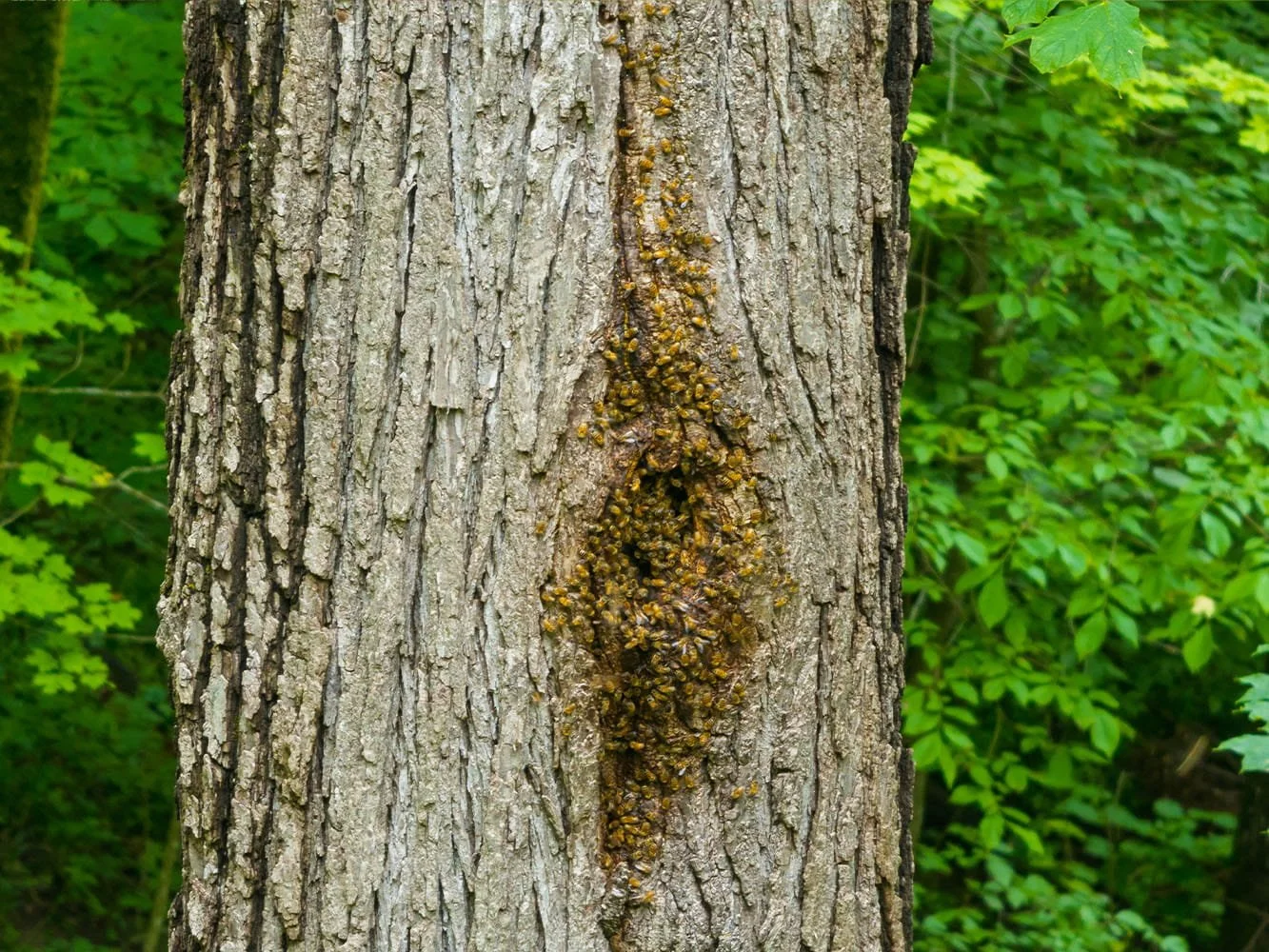
As a tree surgery company operating across Essex and Suffolk, we regularly work in environments where nature is active and evolving. It is not uncommon for us to encounter bee activity or even active nests while carrying out pruning, reductions or tree removals.
In these situations, the job becomes about far more than just the tree itself. It becomes about making the right decision for safety, the client and the surrounding environment.


A Professional Approach to Tree Care and Biodiversity
Trees and pollinators are closely linked. Mature trees provide shelter, structure and, in many cases, a natural habitat for bees and other wildlife. Responsible tree care needs to take that into account.
Before any tree work is carried out, our team completes a structured tree inspection. This forms part of our standard tree surgery process, ensuring we fully understand the condition of the tree, the surrounding environment and any potential risks.
Our team is LANTRA trained, meaning these inspections are carried out to a recognised professional standard.
When bee activity is identified, the approach is never reactive or rushed. Instead, we take a controlled and considered view of the situation. This typically involves assessing:
The location and activity of the bees
The type of tree surgery work planned
The potential risk to both the team and the surrounding environment
From there, we can make a clear decision. In some cases, work can continue safely with the right precautions in place. In others, it may be more appropriate to adapt the scope, adjust timing or seek specialist input.
Safe and Controlled Tree Work Around Bee Activity
Working around bees safely requires more than awareness. It requires the right preparation.
As experienced tree surgeons, our team is equipped with appropriate protective suits and understands how to operate calmly and safely in these environments. Every decision is based on site conditions, experience and a structured approach to risk.
This is especially important in professional tree surgery, where unmanaged risks can quickly escalate.
As with all our tree work, safety, planning and control come first. If something is not properly assessed and documented, it is not properly controlled.


What This Means for Clients
For clients looking for tree surgery, this approach provides reassurance. It means:
Tree work is carried out responsibly and professionally
Environmental factors such as bee activity are properly considered
Decisions are made with both safety and long-term outcomes in mind
It also means that, in some cases, the presence of wildlife may influence how or when tree surgery work is carried out. This is not a disruption to the process. It is part of managing the environment properly.
Responsible Tree Surgeons Supporting the Environment
World Bee Day highlights the importance of protecting pollinators, but for us, it is not limited to a single day.
It is part of how we approach every tree surgery project across Essex and Suffolk.
Maintaining trees is not just about structure, safety or appearance. It is about understanding the environment those trees exist within and making decisions that respect both the client’s needs and the wider ecosystem.
Because good tree surgery does not just manage trees, it manages everything that depends on them.

Spread the Word! 🌎
Inspired by Blake Tree Care’s journey? Share this story with friends, family, or colleagues.