
Environmental Responsibility
Explaining the role of responsible tree care, addressing common misconceptions, and showing how tree work supports long-term tree health and environmentally responsible material use.

Does Tree Surgery Harm the Environment?
It’s easy to understand why some people assume tree surgery is harmful to the environment. After all, deforestation is a genuine global issue, and tree surgery sometimes involves pruning or removing trees. However, the reality is very different. In towns, cities and managed landscapes, trees face challenges that don’t exist in natural woodlands, including nearby buildings, roads, power lines, compacted soil, pollution, storms and the effects of climate change. Without appropriate management, trees can become unsafe, decline in health or fail prematurely. Professional tree surgery helps protect both trees and the environments they grow in.
→ When carried out correctly, tree surgery protects both trees and people.
→ Responsible tree care supports the long-term health and longevity of trees.
→ Well-managed trees are safer, healthier and more resilient to future challenges.

Why Tree Surgery is Sometimes Needed
Trees are living organisms, and like any living thing, they can become:
Diseased or
Weakened
Structurally
Unsafe
Overcrowded
or Competing
Storm or Age
Damaged
What Happens When Tree Issues Are Left?
Left unmanaged, these issues can lead to:
-
Unmanaged structural weaknesses can lead to branch or whole tree failure, increasing the risk of damage to buildings, vehicles, and infrastructure.
-
When trees fail or deteriorate unchecked, nesting sites and natural habitats can be lost suddenly rather than being preserved through managed care.
-
Diseases and pests can spread from unmanaged trees to nearby healthy trees, leading to wider decline across gardens, streets, and woodland areas.
-
Early intervention often prevents irreversible damage. Without management, trees that could have been stabilised may need to be removed entirely.
Tree Surgery is Management, Not Destruction
Tree surgery is not about removing trees for convenience. It’s about making informed decisions based on safety, tree health and long-term sustainability. At Blake Tree Care, the priority is always:
Keep Trees
Standing
Where Possible
Improve
Structural
Stability
Reduce
Disease
and Decay
Manage
Growth
Responsibly
Removing a tree is a last resort, not a starting point. In many cases, strategic pruning prevents complete failure later. Ignoring the problem usually leads to the worst outcome: total removal instead of controlled management.

How We Minimise Environmental Impact
When tree work does need to be carried out, Blake Tree Care focuses on reducing environmental impact at every stage. All tree materials are handled responsibly, with reuse and recycling prioritised to minimise waste and avoid unnecessary disposal.
-
Blake Tree Care operates on a simple principle: nothing goes to waste.
Materials generated through tree work are reused, recycled, or repurposed wherever possible. Anything that comes from a tree is handled with care and purpose:
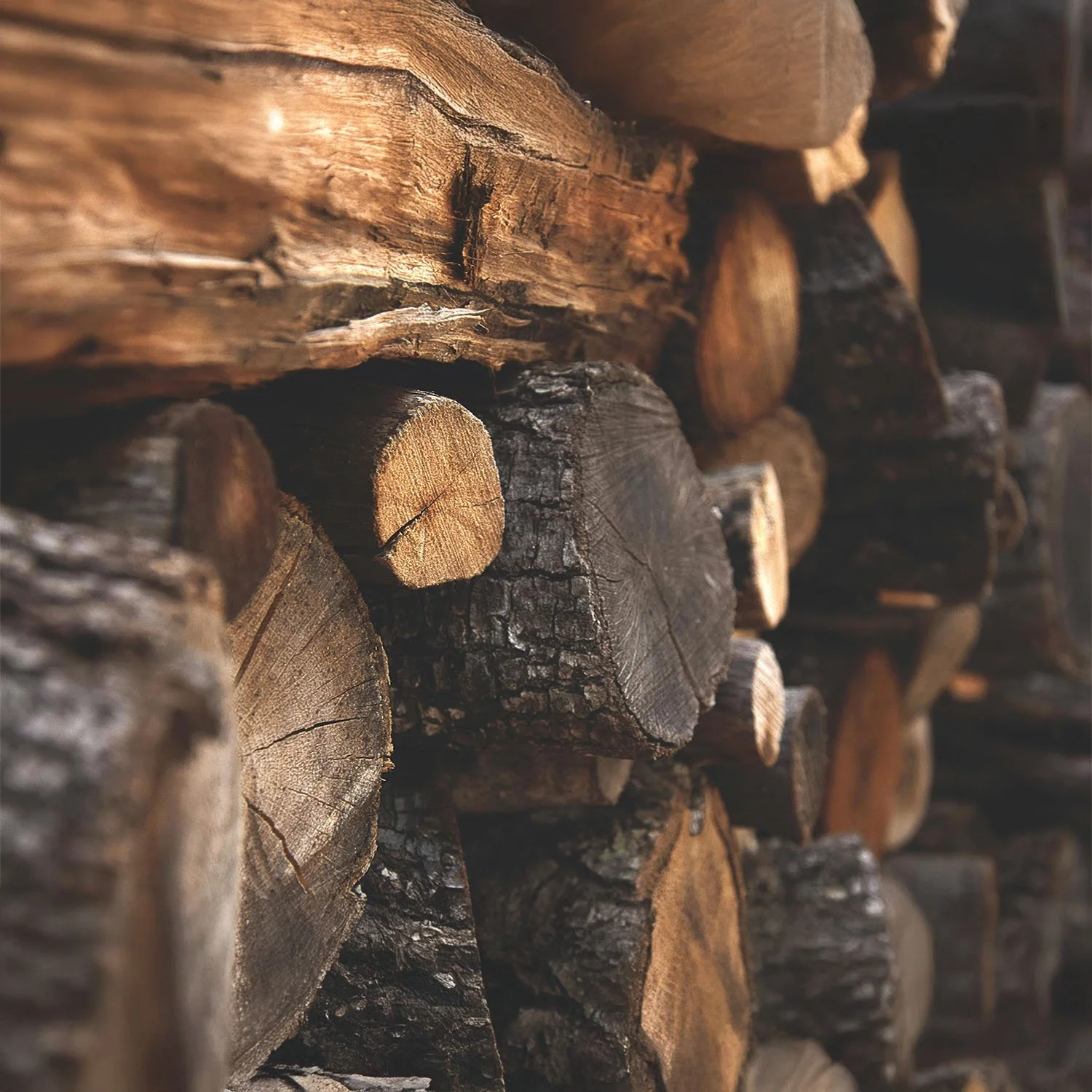
Logs are processed for firewood or timber reuse
Branches and offcuts are chipped
Mulch is reused for soil improvement, weed suppression, and moisture retention
Wood chip is reused in landscaping, pathways, and biomass applications
This approach avoids unnecessary landfill, burning, or dumping.
Trees continue to deliver value long after work is completed.
-
Responsible tree care does not stop at removal.
Where trees must come down, Blake Tree Care supports replanting to ensure that today’s work contributes to tomorrow’s landscape. This helps maintain tree cover, support biodiversity, and encourage long term environmental balance.
Want To Understand How Responsible Tree Care Applies To Your Trees?
Blake Tree Care is always happy to explain the reasoning behind any recommended work, the environmental considerations involved and the long-term impact on your trees and surrounding landscape.
For clear, professional advice on tree health, safety and responsible tree management, get in touch.