
A Future with Trees, or Without Them? Rethinking Our Relationship with Nature
In 1950, less than a third of the global population lived in cities. By 2050, that figure is expected to be closer to 75%. In some countries, such as Japan, it’s already above 90%.
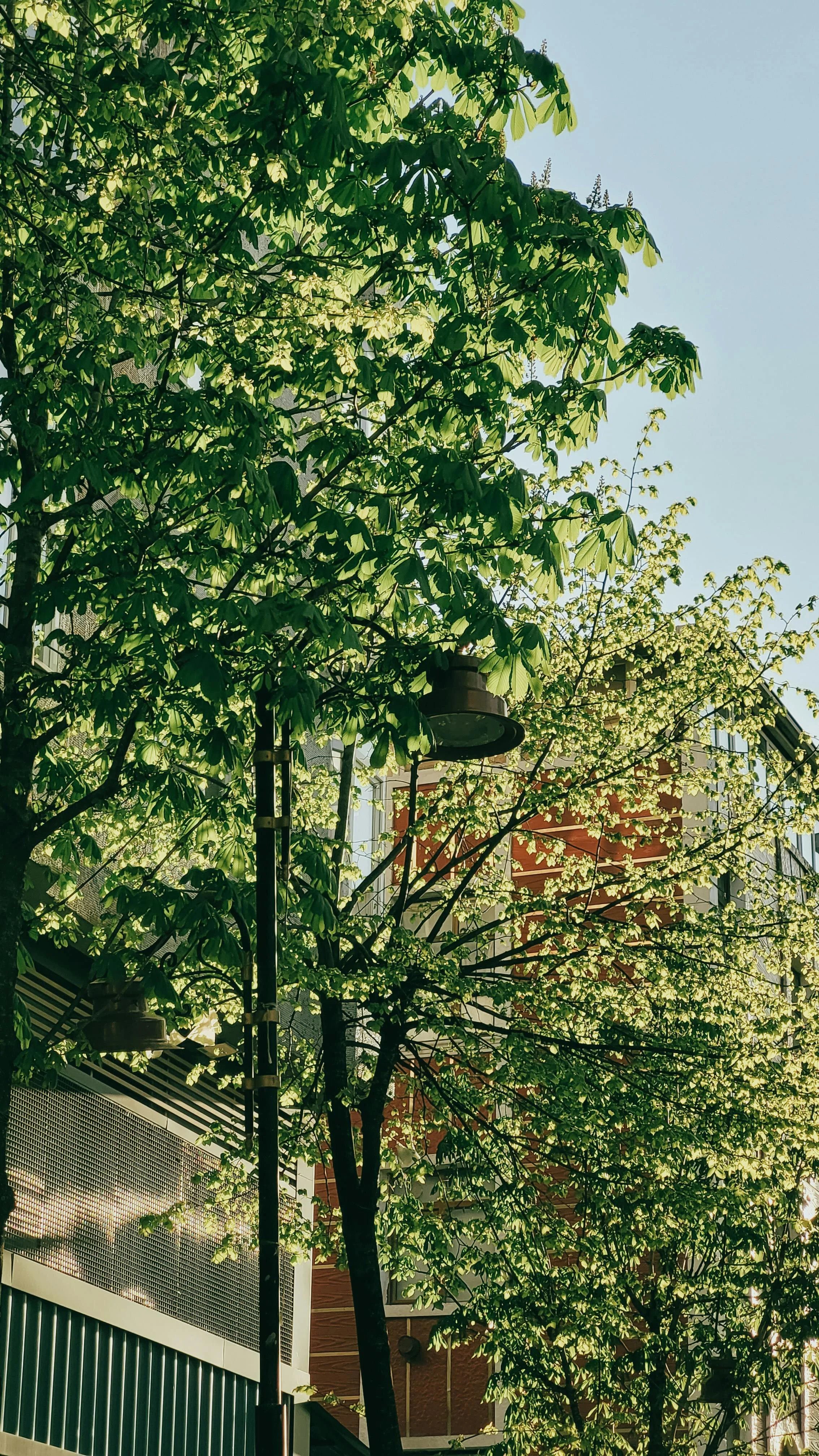
For most, daily life now takes place indoors. Easy access to screens confines people in their homes, keeping them far from any meaningful contact with nature. Access to green space isn’t guaranteed, especially in cities, and in many cases, it’s limited to what’s within walking distance of home.
Nature is no longer something encountered daily. It is something visited. A park at the weekend, a walk planned in advance, a destination rather than a constant presence. Trees have moved from being part of everyday life to something more easily overlooked.
What Gets Lost When Trees Are Forgotten
When trees are no longer central to daily life, they tend to be treated as background features. Whereas, in reality, they function more like infrastructure. They:
moderate temperature during warmer months
absorb and redirect rainfall
reduce noise and air pollution
create usable, more comfortable outdoor spaces
And, less visibly, they change how people use those spaces. Areas with established trees tend to be used more, stayed in longer, and valued more highly by the people around them.
These are not abstract benefits. They are practical, measurable and experienced every day… even if they are rarely acknowledged.
The Idea Behind “Forest Bathing”
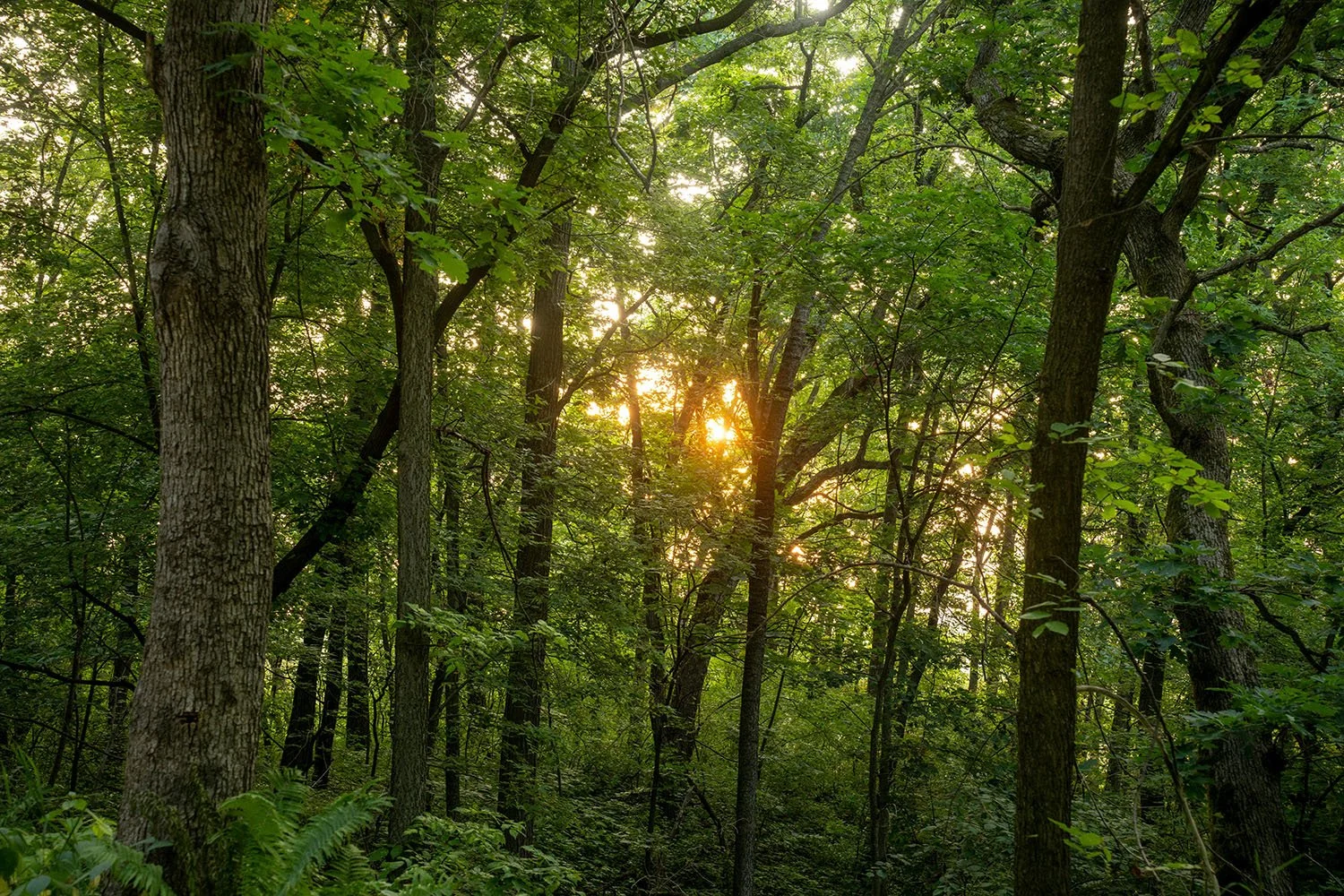
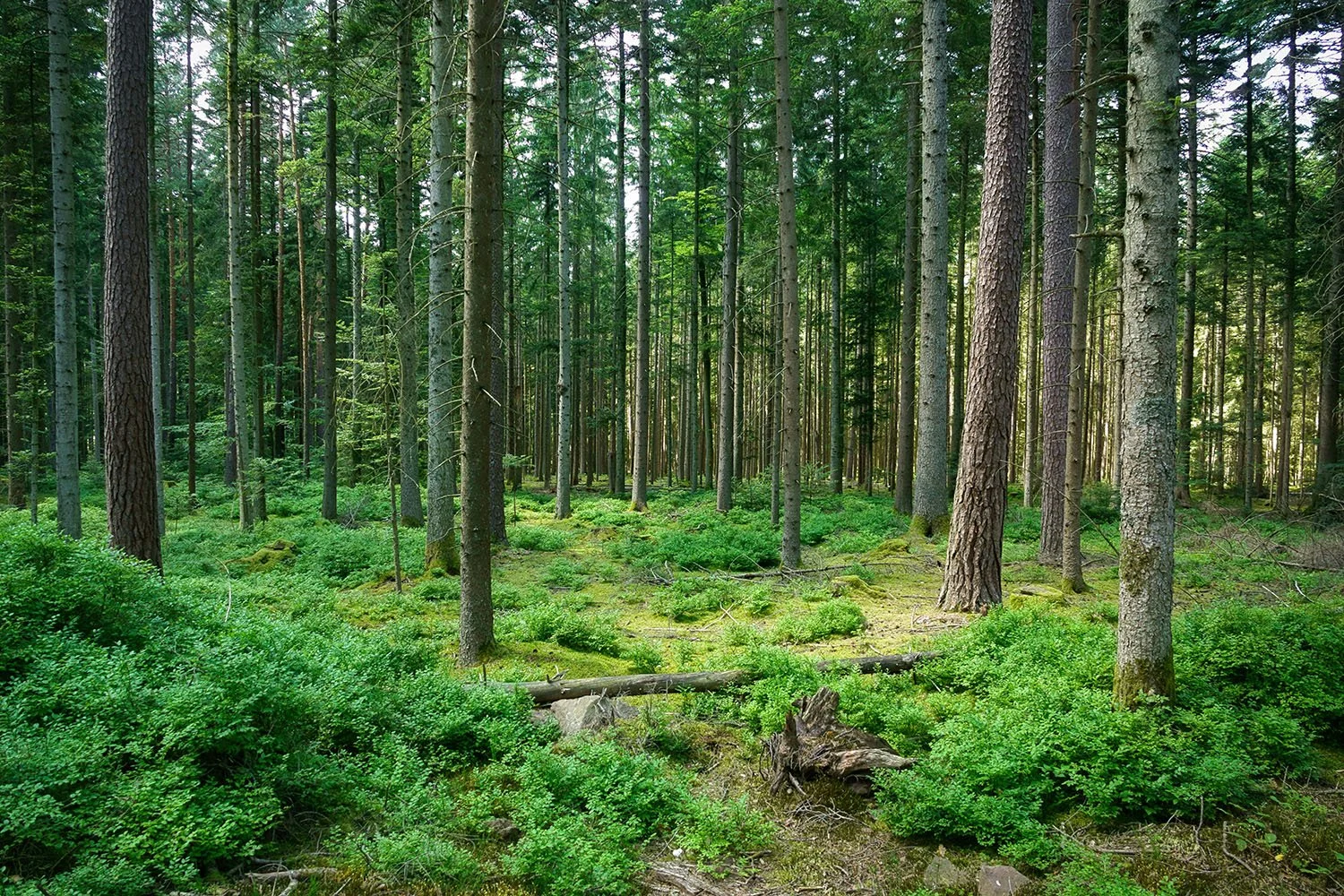
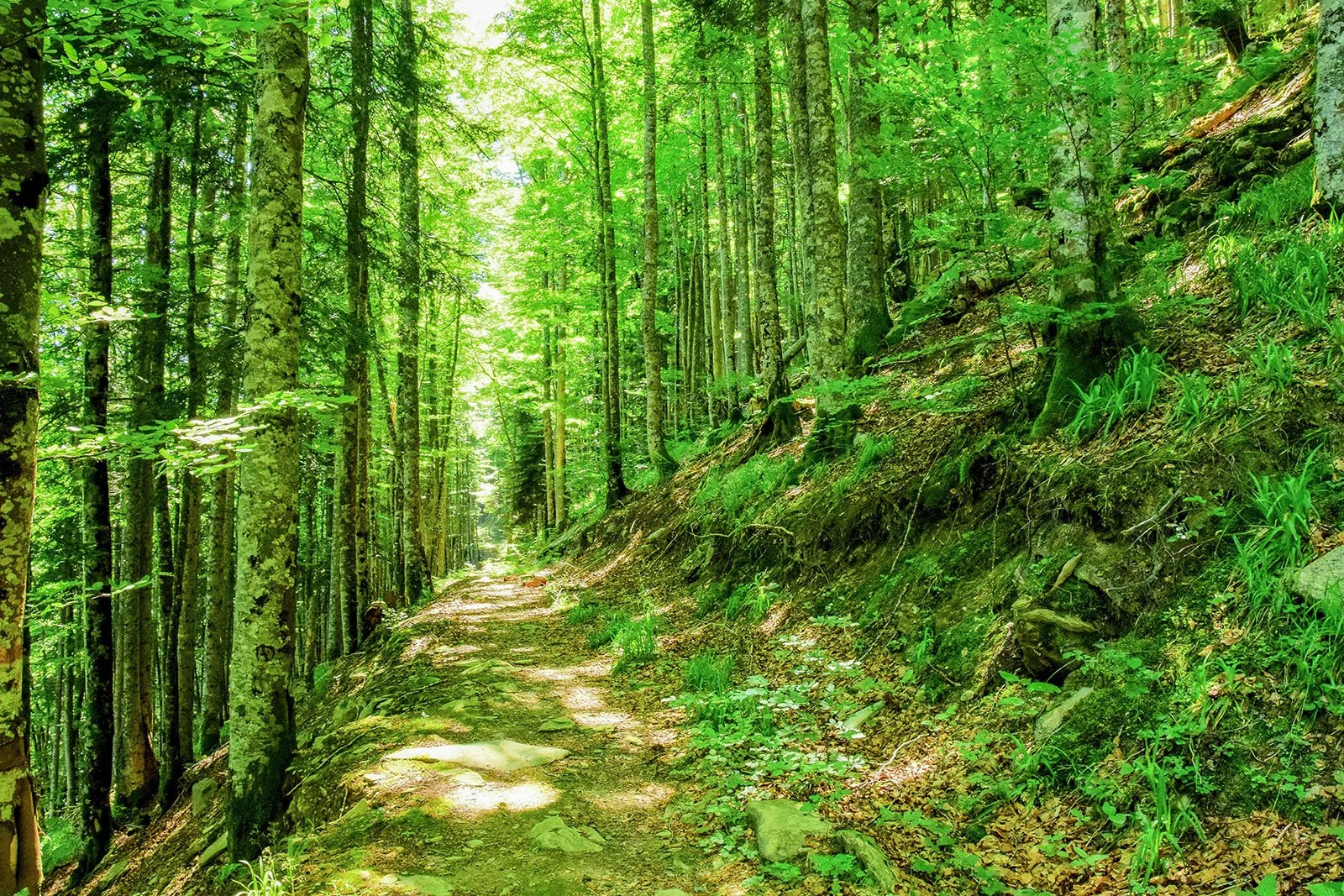
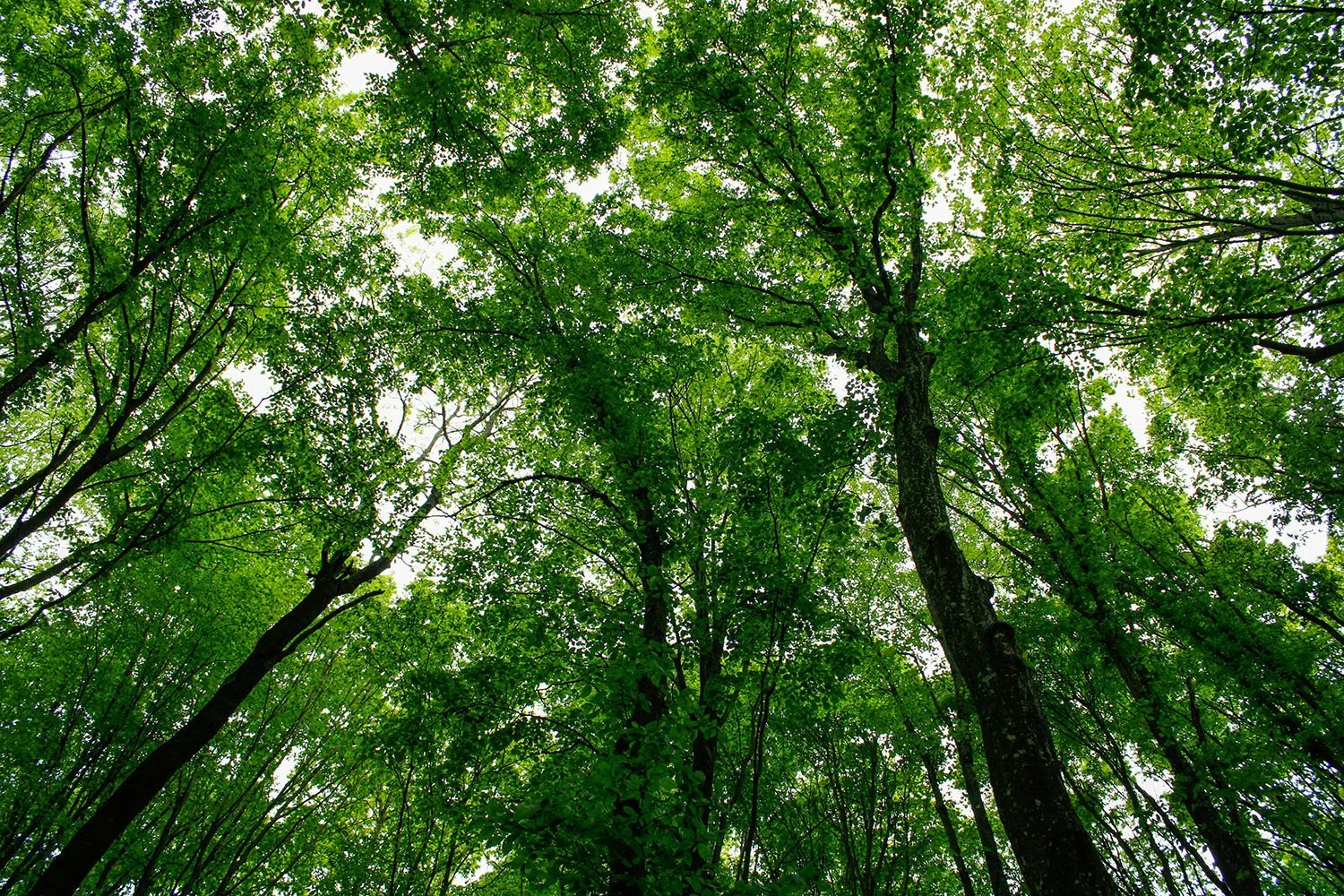
In Japan, the term Shinrin-yoku, or “forest bathing”, was developed to describe time spent in wooded environments. Not exercise, not activity. Just simply being present among trees.
The concept gained traction in an urbanised country where access to nature is more limited. It reflects a broader shift in how people experience the natural world: what was once part of everyday life has become something that needs to be sought out deliberately.
That is the key point. Forest bathing is not really about a practice. It is a response to a problem: the growing distance between people and trees.
The Reality Closer to Home
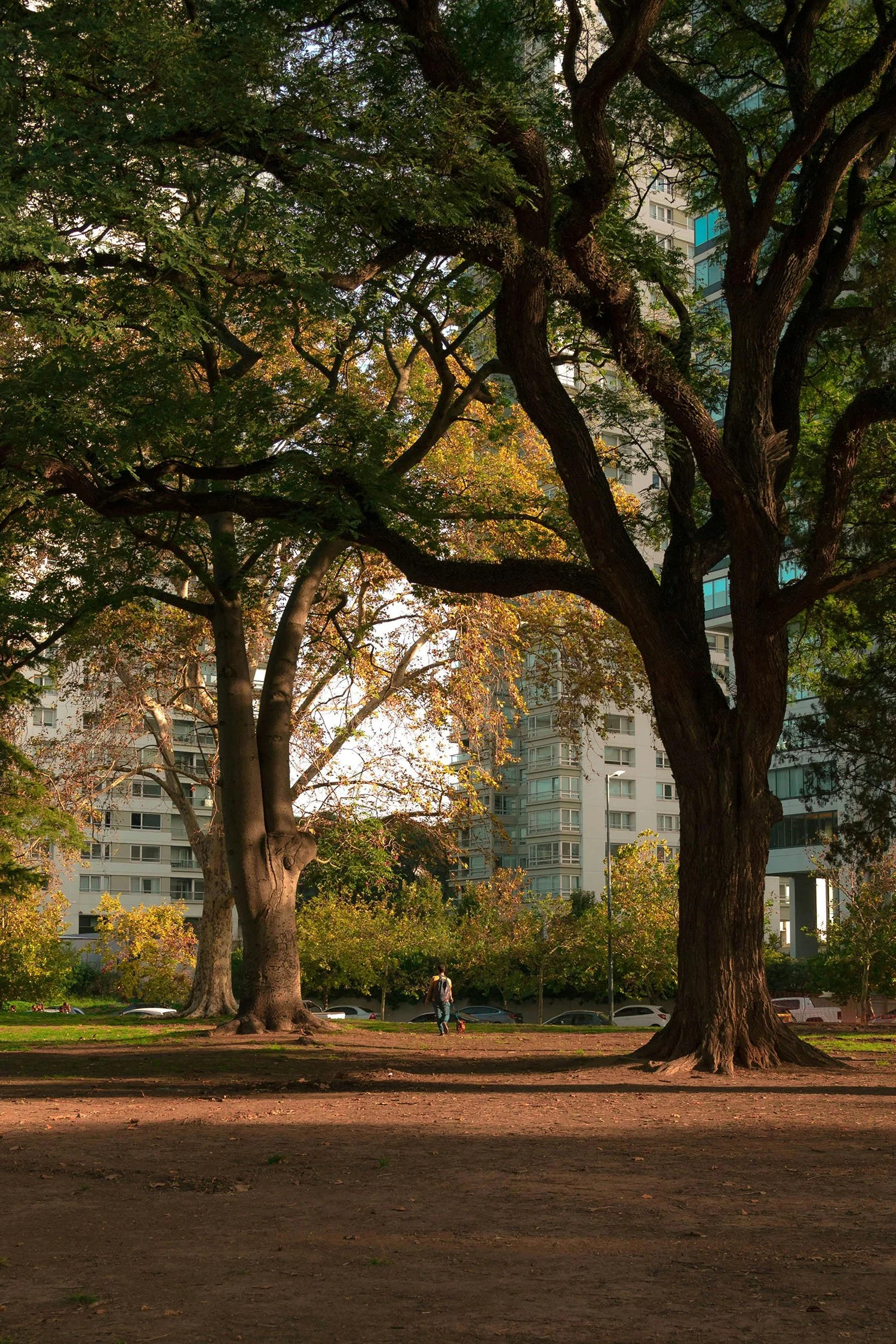
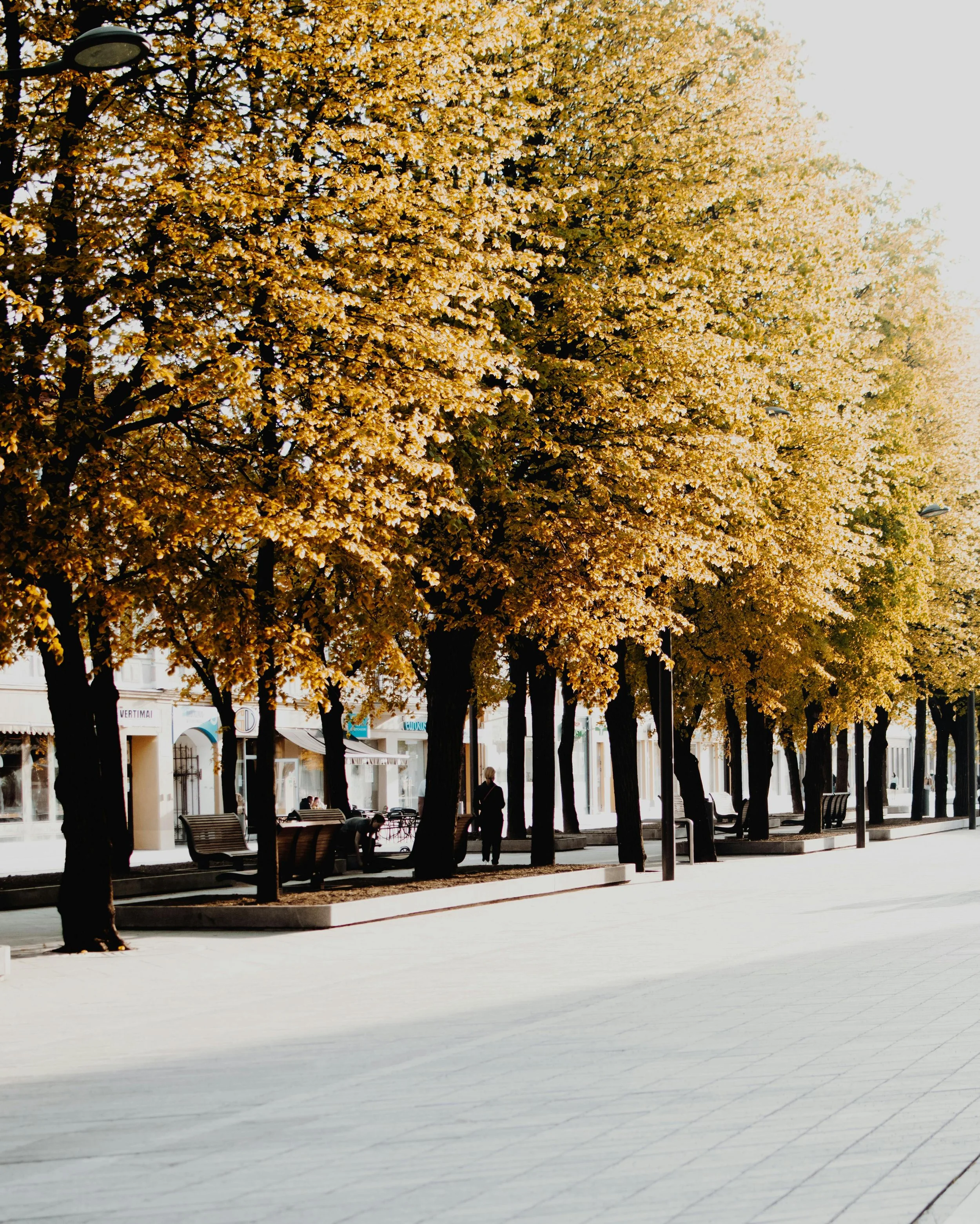
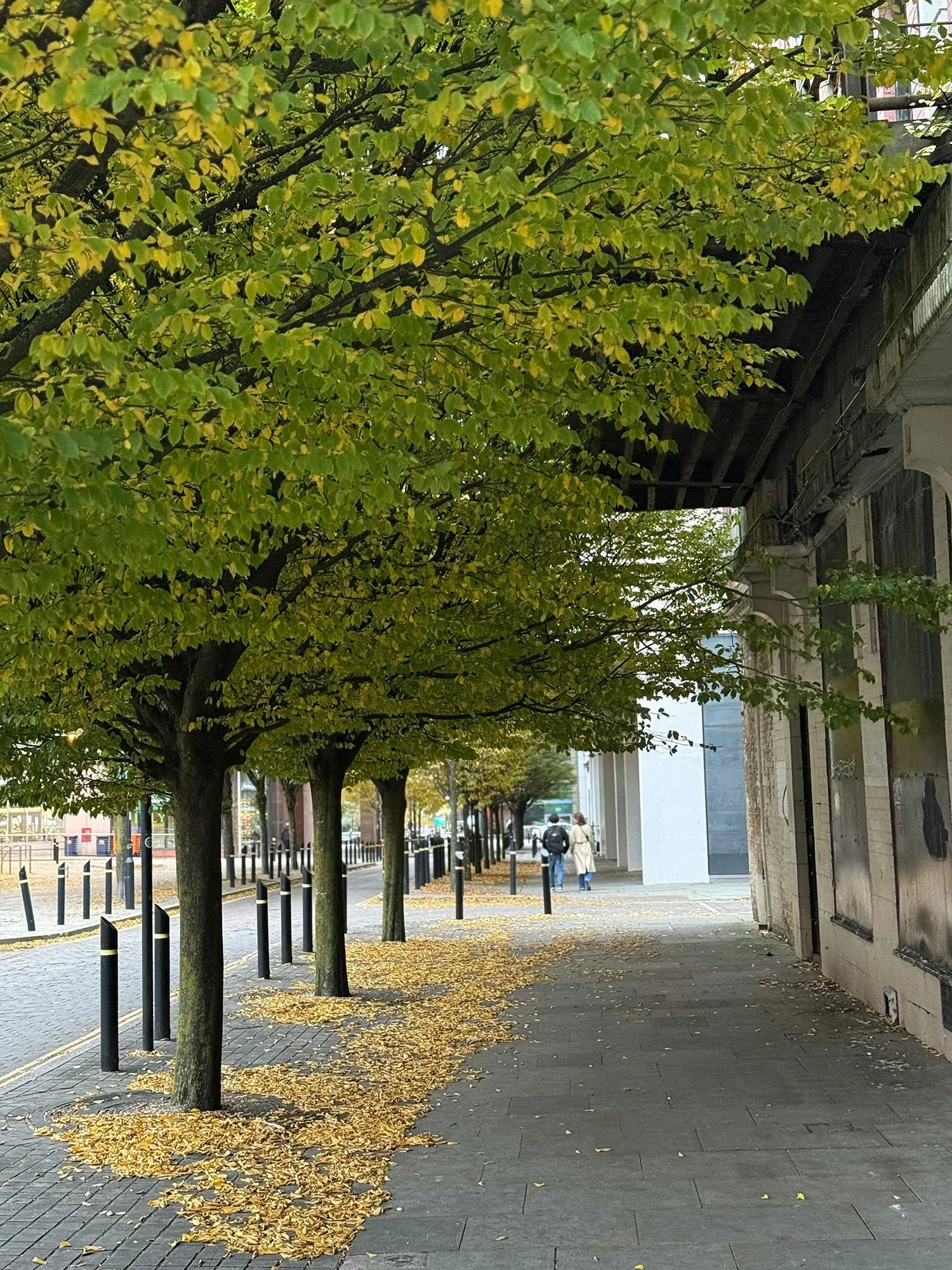
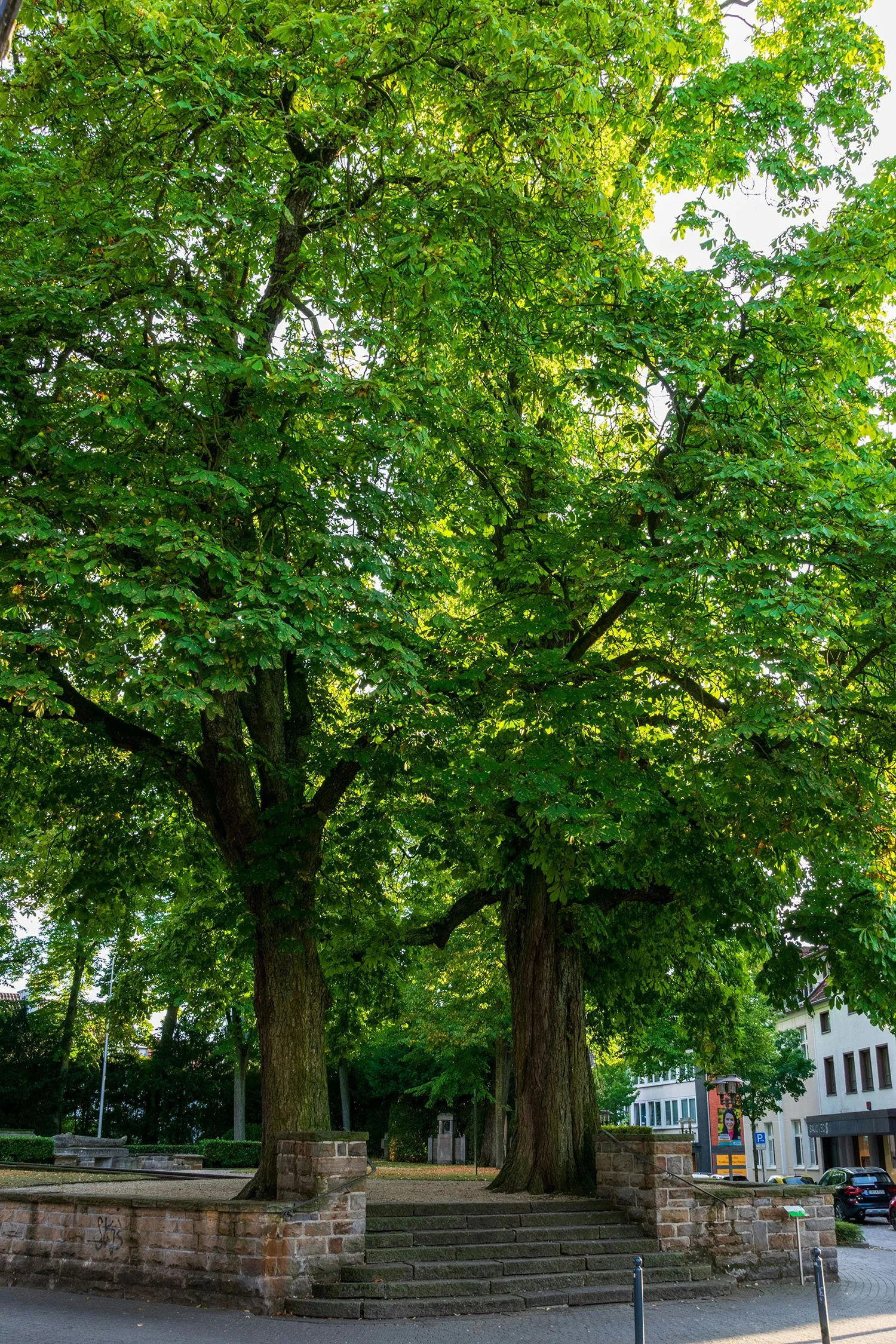
In places like Colchester and across Essex, access to large forests is limited for many people. What exists instead are smaller, distributed pockets of green space, such as parks, roadside trees, gardens, and woodland edges.
These spaces provide a break from built surroundings, reduce noise and heat, and support local wildlife. For many, they are the only regular point of contact with something outside the urban environment. This makes them more important than they’re often given credit for.
Which raises a practical question: if these smaller spaces are what most people rely on, how do we ensure they remain part of everyday life?
Why Presence Alone Isn’t Enough
There is a tendency to focus on planting to increase tree numbers to replace what has been lost. While this matters, access to trees depends on more than planting. It depends on ongoing care.
Trees that are poorly placed, poorly maintained or left unmanaged often become problems over time. They decline, become unsafe, restrict access, or are removed earlier than expected. Over time, this reduces the amount of accessible green space rather than improving it.
Well-managed trees, on the other hand, remain safe, structurally sound and usable for decades. That consistency is what allows green spaces to remain part of daily life.
A future with trees depends as much on maintaining what already exists as it does on adding new ones.
A Practical Perspective
Not everyone is going to spend time in forests, and most people don’t need to. The more relevant question is whether there are trees nearby, and whether those trees are being looked after.
Gardens, streets and local green spaces all contribute to this. A single well-maintained tree can make a noticeable difference to how a space feels and functions.
The idea behind forest bathing doesn’t need to be adopted to be relevant. The underlying point is simpler: access to trees matters, and in an increasingly urban world, it’s something that needs to be upheld rather than assumed.
Closing Thought
Access to trees is no longer something that can be taken for granted. As environments become more built-up, it becomes something that must be maintained deliberately.
Not through occasional effort, but through consistent, informed care to ensure that trees remain a stable part of the places people live, rather than something gradually lost from them.
Spread the Word! 🌎
Inspired by Blake Tree Care’s journey? Share this story with friends, family, or colleagues.