Could Heat Stress Make Your Tree Dangerous This Summer?
As temperatures rise and periods of dry weather become more frequent, many homeowners begin to notice changes in the trees around them. Leaves may appear scorched, branches may seem sparse, and trees that looked healthy just a few months ago, can suddenly appear stressed.
As clients begin to notice these subtle signs of decline, they often pose the question, "Is my tree dangerous?"
The answer is not always straightforward. While a large tree is not automatically a safety concern, prolonged heat and drought can place significant stress on trees and, in some cases, increase the likelihood of branch failure, disease, or decline.
In this article, we'll explain how prolonged hot weather affects trees, the symptoms of heat and drought stress, why some species become more susceptible to disease and branch failure, and what homeowners can do to help protect their trees during the summer months.
What Is Heat Stress in Trees?
In order to survive, trees rely on a delicate balance between water uptake through their roots, water loss through their leaves, and photosynthesis to produce the energy to grow and defend themselves. But during prolonged hot, dry weather, that balance can be disrupted.
As soil moisture levels fall, trees struggle to replace the water lost through transpiration – so, to conserve moisture, they begin closing tiny pores on their leaves known as stomata. While this reduces water loss, it also limits photosynthesis, reducing the tree's ability to generate energy.
This means that, during hot summers, trees suffer from the consequences of the following chain reaction:
Water stress → reduced photosynthesis → depleted energy reserves → increased vulnerability to pests, disease and structural decline.
The effects may not be immediately obvious, but they can have long-term consequences for tree health.
Early Signs of Heat Stress
Many of the symptoms associated with drought stress are easy to overlook at first. Signs homeowners may notice include:
Wilting or drooping leaves
Curled foliage
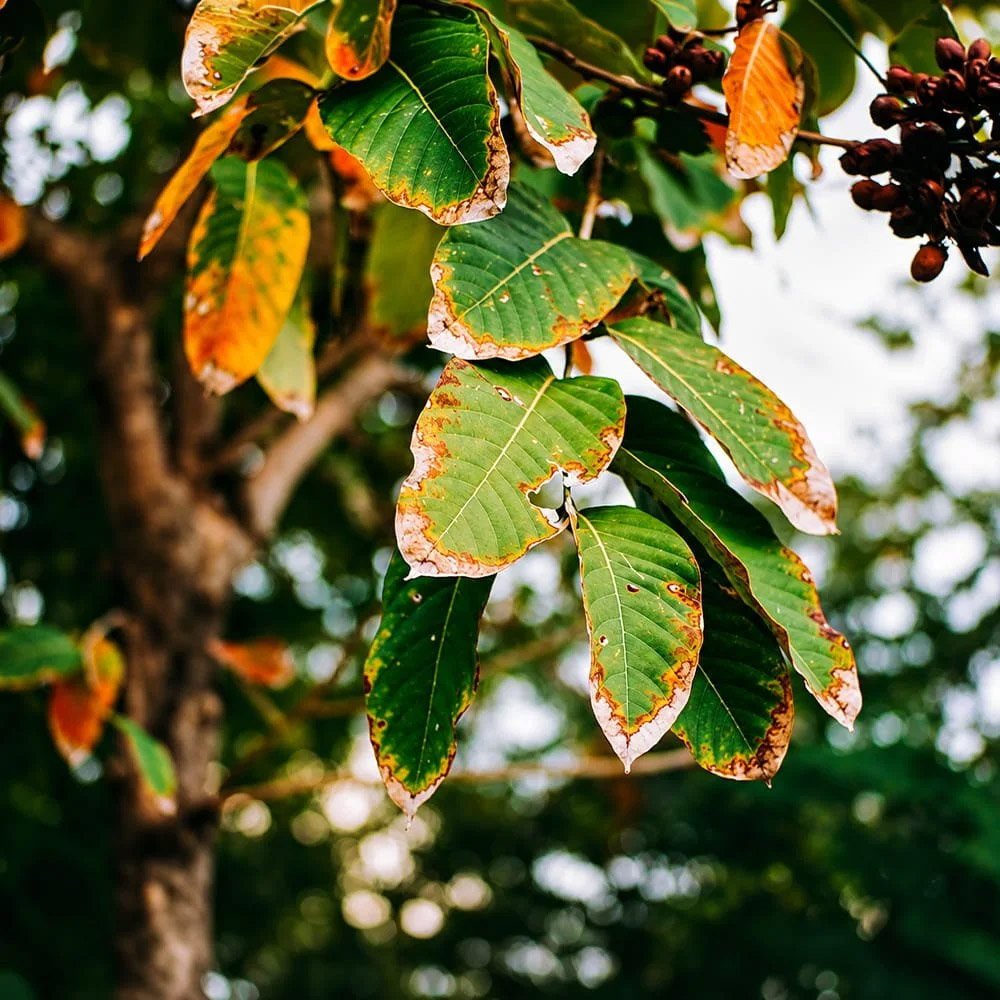
Brown, scorched leaf edges
Premature leaf drop
Thinning canopies
Dead twigs in the crown
Smaller-than-normal leaves
Epicormic growth emerging from the trunk or major branches to compensate for declining health
Not every stressed tree becomes hazardous, but these symptoms can indicate that further assessment is worthwhile, particularly in mature specimens.
Trees growing in towns and cities are particularly more vulnerable than those in woodland areas, because urban environments can create particularly harsh growing conditions. This is due to factors known as the ‘Urban Heat Island Effect’, where built-up areas can become significantly warmer than surrounding rural landscapes. As a result, urban trees often experience drought stress sooner and recover more slowly after prolonged periods of hot weather.
Sycamores and Sooty Bark Disease
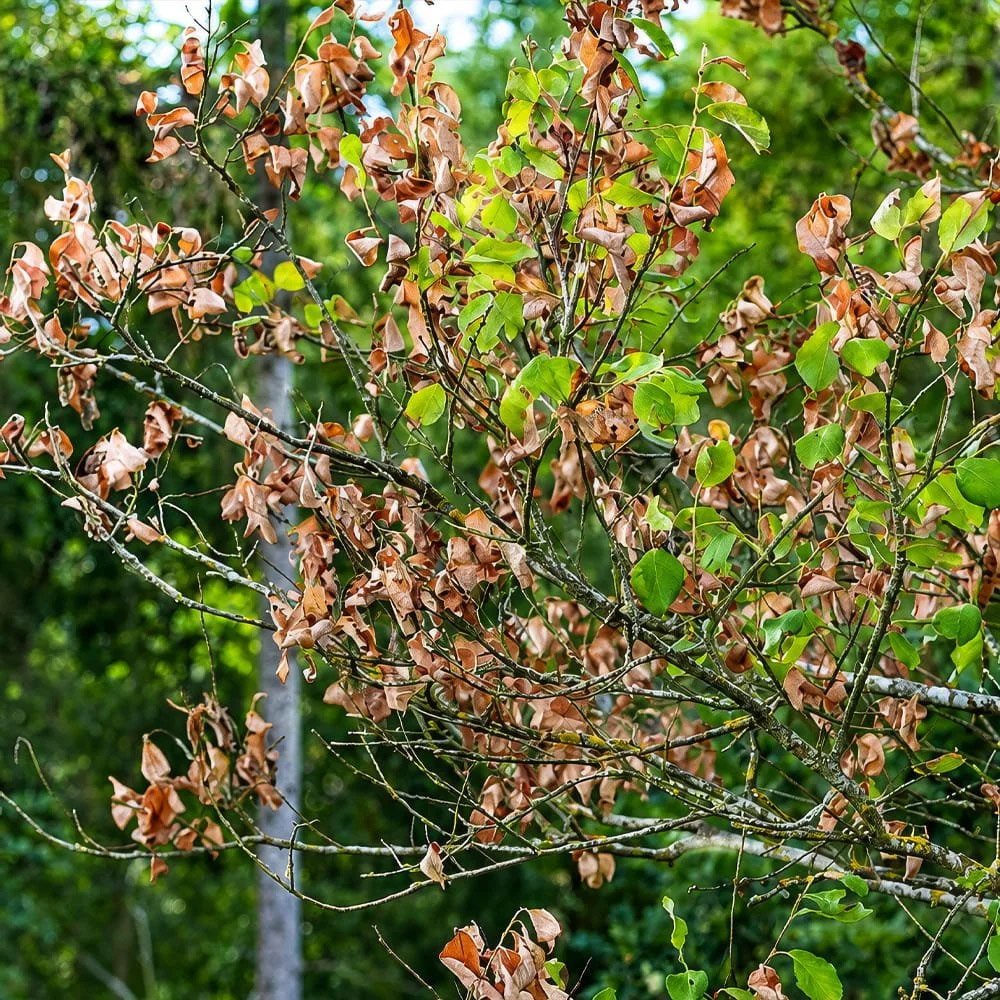
One issue that has become increasingly relevant in recent years is the relationship between drought stress and Sooty Bark Disease in sycamore trees. The disease is caused by the fungus Cryptostroma corticale.
In many cases, the fungus can exist within a tree without causing obvious problems. However, when a sycamore becomes weakened through prolonged heat or drought, the fungus can become aggressive and begin damaging the tree. We are seeing increasing concern around affected sycamores in urban environments, schools, parks and areas where soil compaction limits root development.
Typical symptoms include:
Progressive crown dieback
Bark cracking and peeling
Dark staining beneath the bark
Black, soot-like spore masses exposed beneath detached bark
Early identification is important when it comes to Sooty Bark Disease, particularly where trees are located close to buildings, roads or areas of public use.
The Phenomenon of Summer Limb Drop
One of the more surprising issues associated with hot weather is something known as ‘Summer Limb Drop’. This occurs when apparently healthy trees suddenly shed large limbs during periods of high temperature, often with little warning.
Species most commonly associated with the phenomenon include:
Oak
Horse Chestnut
Beech
Despite ongoing research, the exact cause is not fully understood. Current theories suggest a combination of drought stress, hydraulic failure within the branch, and changes in internal loading as the tree attempts to manage water demand. In simple terms, the tree may simply sacrifice a large branch to reduce stress on the remaining canopy.
Because these failures can occur without obvious decay or external defects, Summer Limb Drop serves as an important reminder that tree health and tree safety are not always determined by appearance alone.
Is My Tree Dangerous – Or Just Overgrown?
Many mature trees appear imposing, particularly during the height of summer growth. However, size alone does not make a tree dangerous – what matters is its condition.
Some indicators that warrant a professional inspection include:
Large areas of deadwood
Cracks in major stems or unions
Hanging or partially failed branches
Fungal brackets on the trunk or root flare
Excessive crown dieback
A recent or sudden lean
Previous branch failures
Heat stress does not automatically make a tree unsafe, but it can contribute to structural weakness and increase the likelihood of failure where defects already exist.
How Homeowners Can Help Trees During Hot Weather
While mature trees are generally resilient, several practical steps can improve their chances of coping with drought conditions:
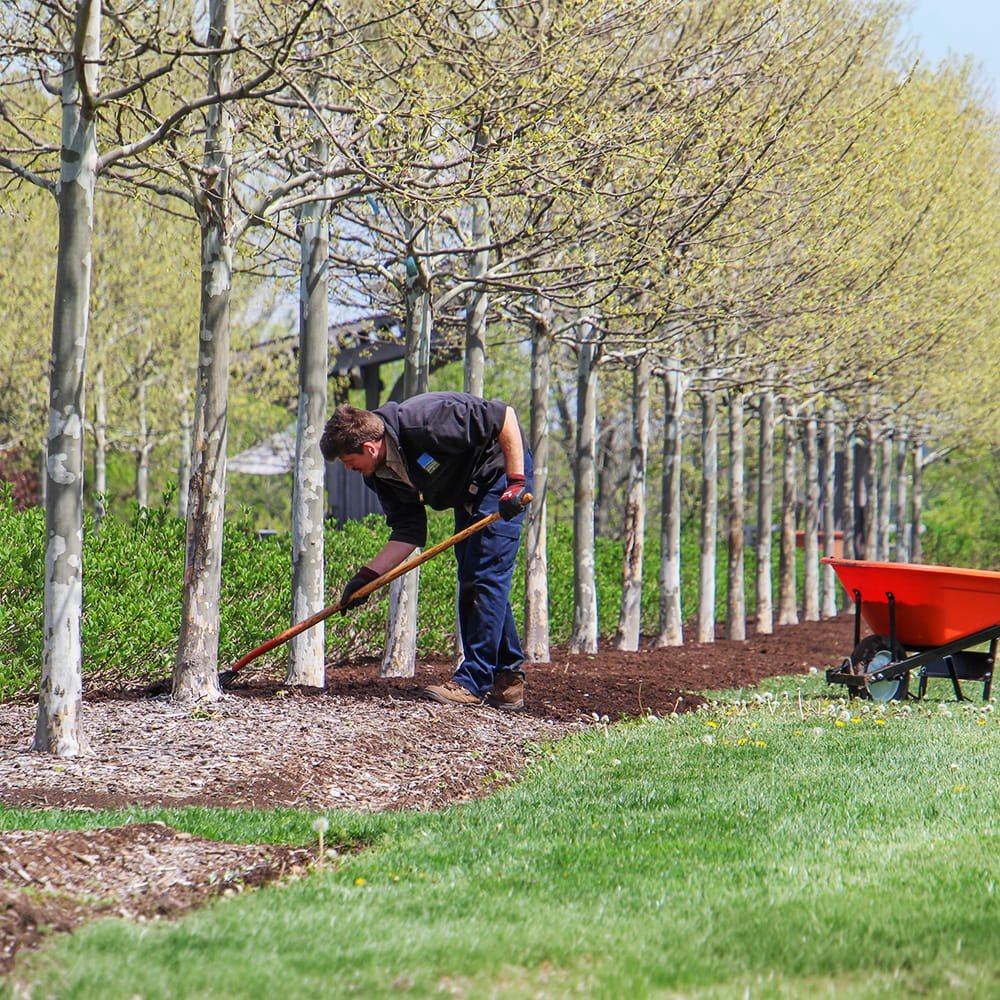
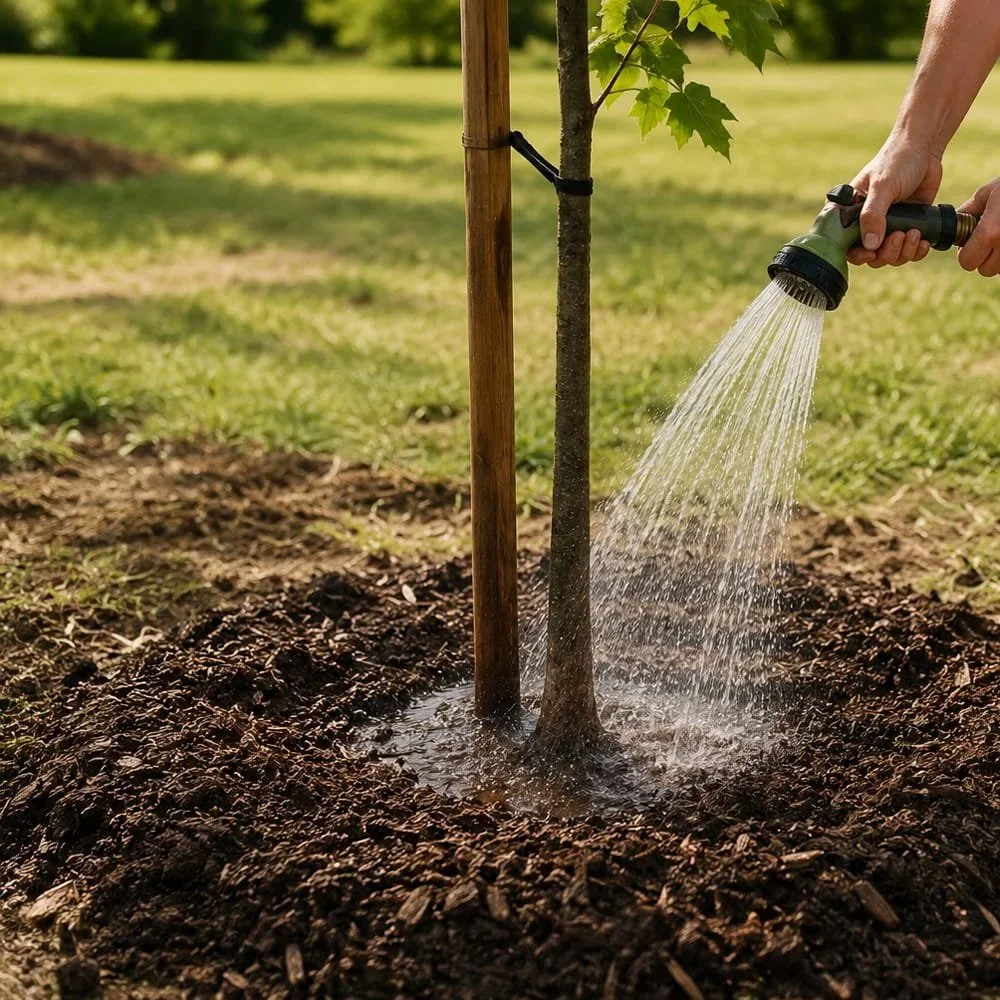
Apply organic mulch around the base of the tree to help retain soil moisture
Avoid damaging roots through excavation or excessive foot traffic
Water young and newly planted trees deeply during prolonged dry spells
Avoid unnecessary pruning during extreme heat
Monitor mature trees for signs of stress or decline
Preventive care is often far more effective than attempting to address problems once a significant decline has occurred.
When to Seek Professional Advice
Most trees will recover from short periods of hot weather without issue. However, persistent symptoms, visible defects or safety concerns should not be ignored.
If you're concerned about a mature tree on your property, the team at Blake Tree Care can assess its condition, identify any signs of stress, disease or structural weakness, and advise on any appropriate management or safety work.
Early intervention often provides the best opportunity to protect both the tree and the people around it.