
Why January and February Are the Best Time to Prune Fruit Trees
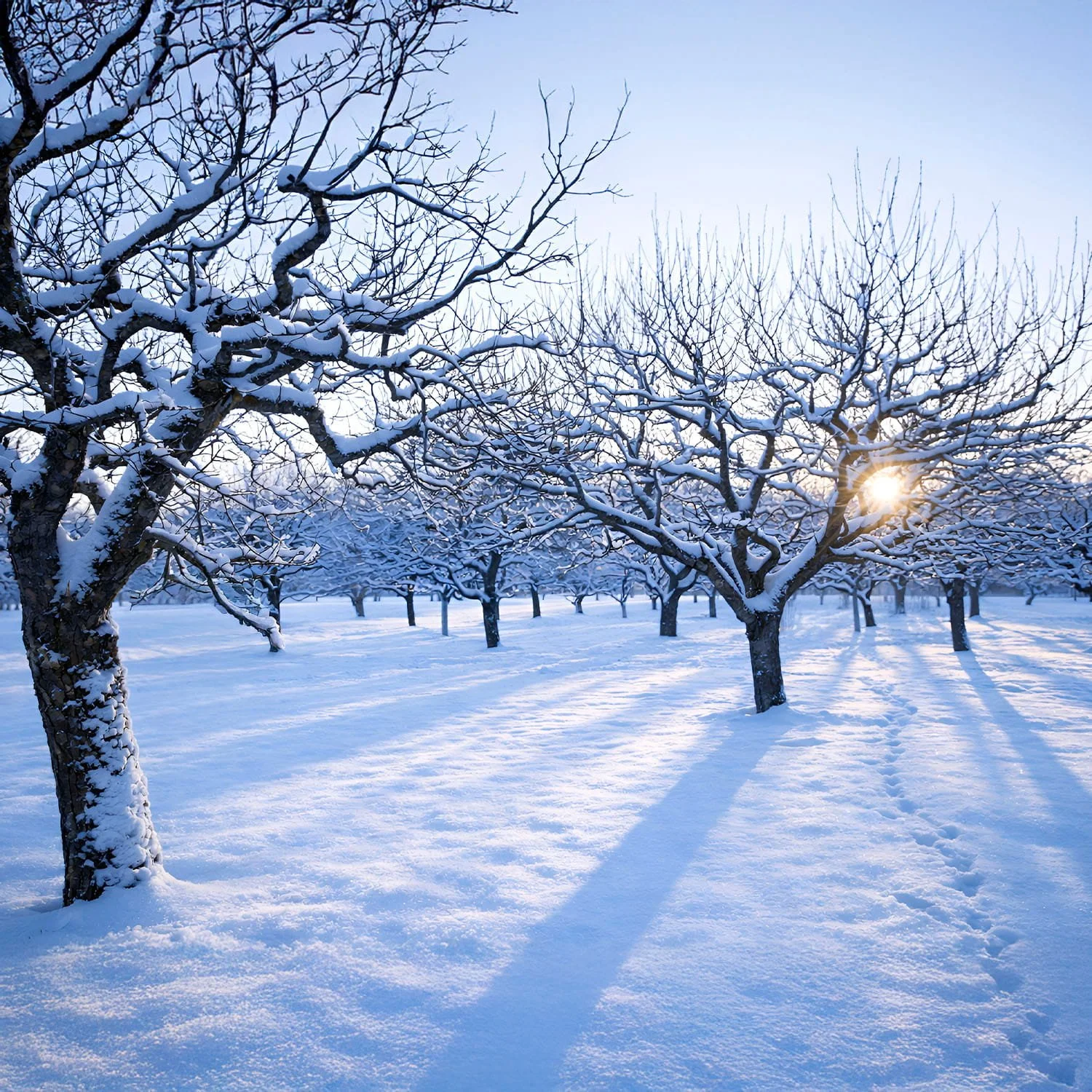
What many people don’t realise is that January and February are the main pruning months for many fruit trees, particularly apples and pears. This is because trees are dormant at this time of year, making it easier to assess their structure and carry out pruning that supports longterm health and fruit production in the months ahead.
When done correctly, winter pruning improves airflow, reduces disease risk and sets the tree up for productive growth in spring. However, done badly, it can weaken the tree and cause problems that last for years.
In this article, we explain why winter pruning works, what to watch out for, and how to avoid common mistakes.
Why Winter Pruning Works
When trees are dormant during winter, their sap pressure is low, and their energy is stored rather than moving through the tree, slowing growth. This makes pruning less stressful for the tree and allows cuts to heal more predictably once growth resumes in Spring.
With no leaves to obscure the canopy, it’s also much easier to see how a tree has developed. Weak unions, congested growth and poor branch distribution are all easier to identify at this time of year.
For apple and pear trees, this makes winter the most practical window for structural work.
Be Mindful of Frost
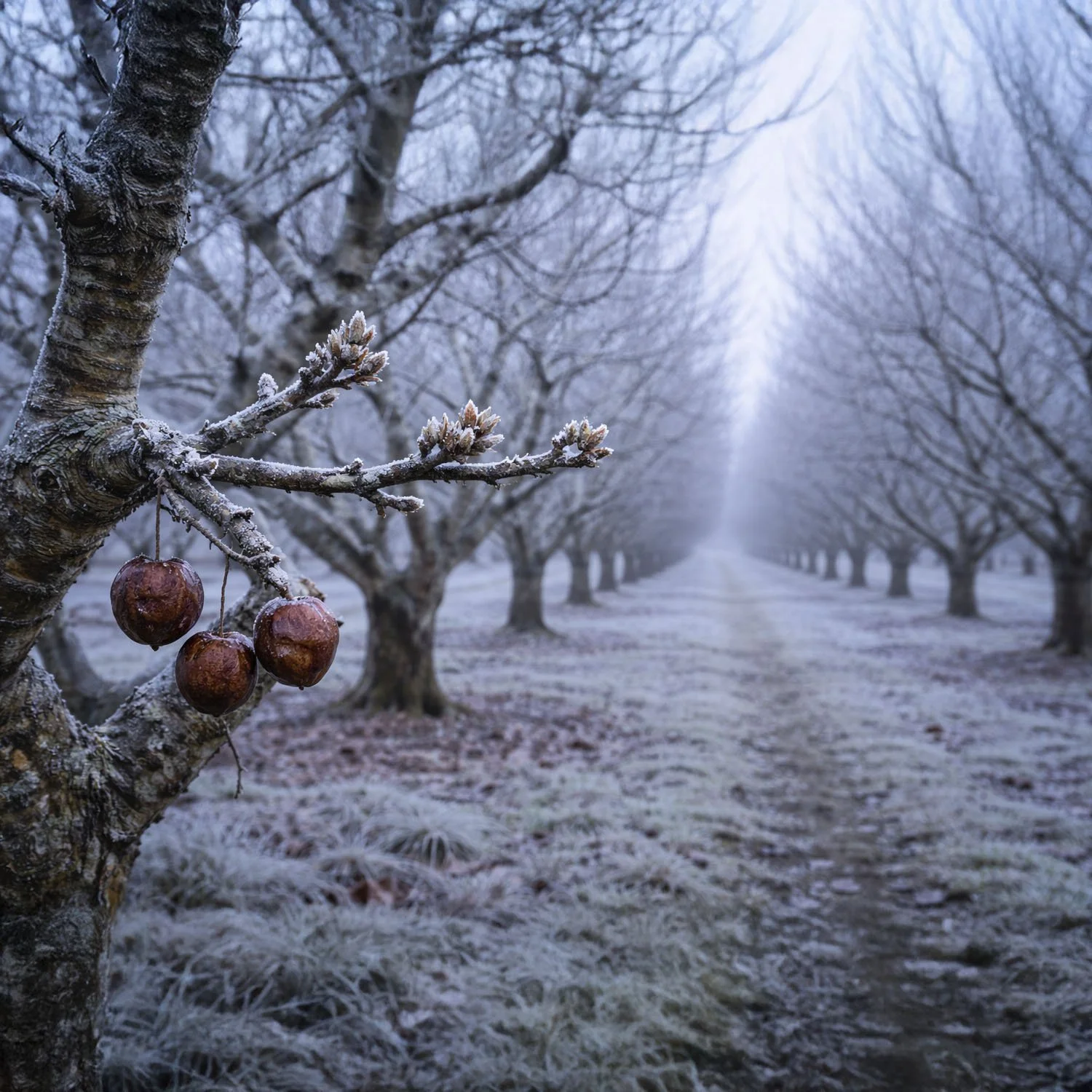
The old saying still holds true: “Prune in frost, you prune in loss.”
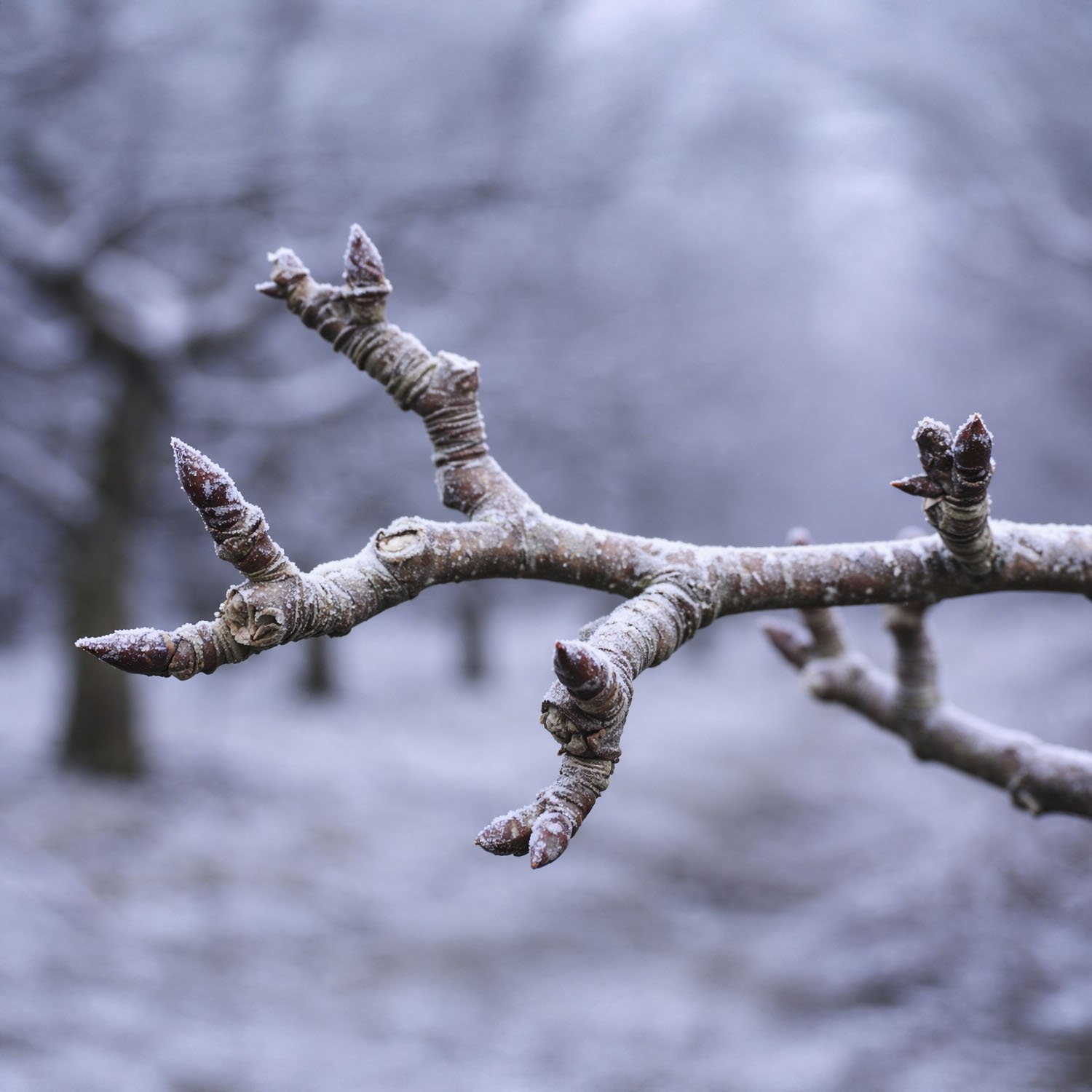
While winter is the right season to prune, conditions on the day still matter. Pruning should be avoided during hard frost because frozen wood tends to splinter rather than cut cleanly, leading to poor wound closure and increased risk of disease.
Cold days are fine. Frozen wood is not.
Use Clean, Sharp Tools
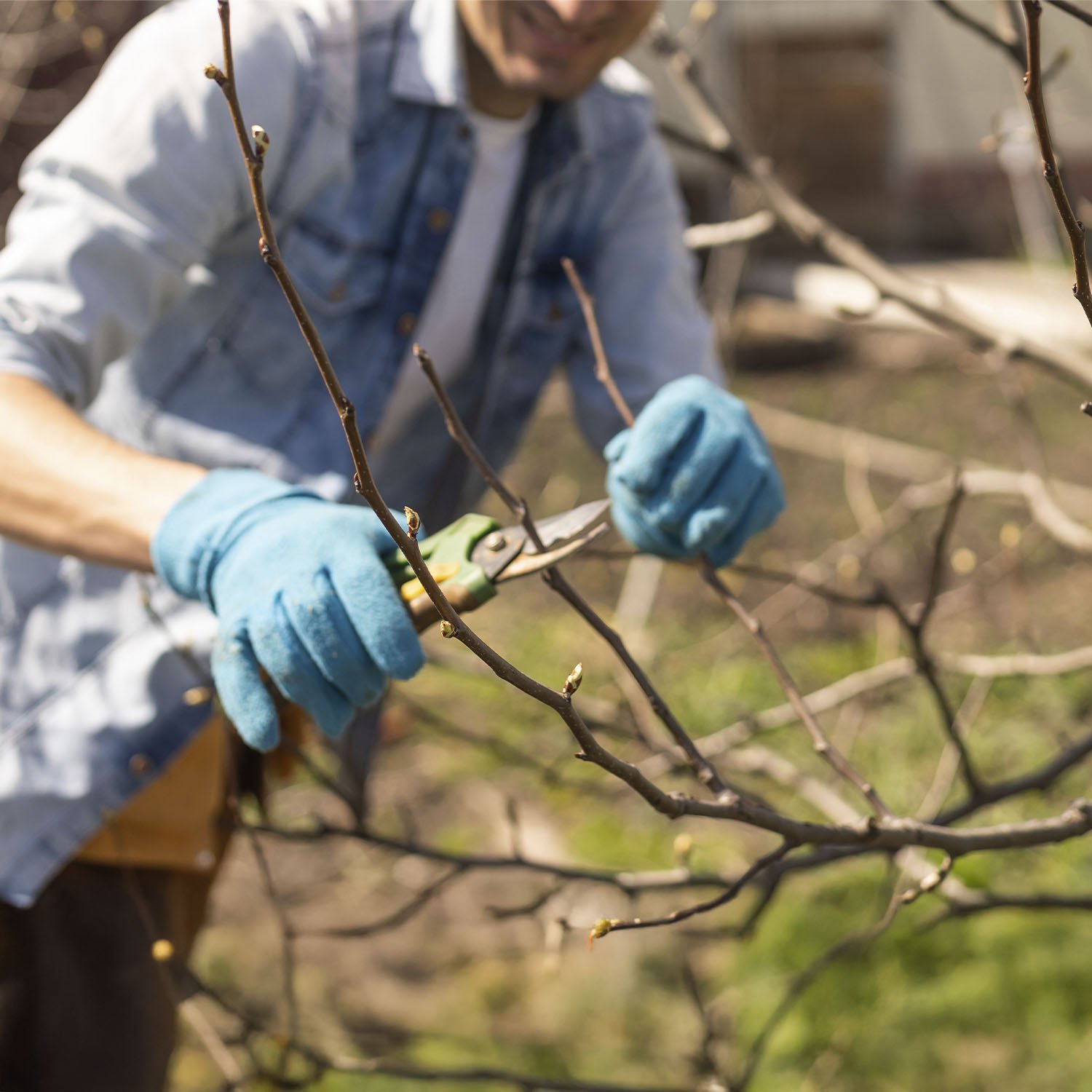
The quality of tools matters as much as where the cut is made. Blunt tools crush tissue rather than slicing cleanly, increasing stress and slowing recovery. Sharp tools, on the other hand, create clean wounds that close more effectively once growth restarts.
Tool hygiene is equally as important, as diseases can be transferred easily between trees through contaminated blades. Cleaning tools between trees – using a diluted bleach solution or alcohol – helps prevent the spread of disease. This is especially important when pruning older trees or those with a history of infection.
Aim for an Open ‘Bowl’ Structure
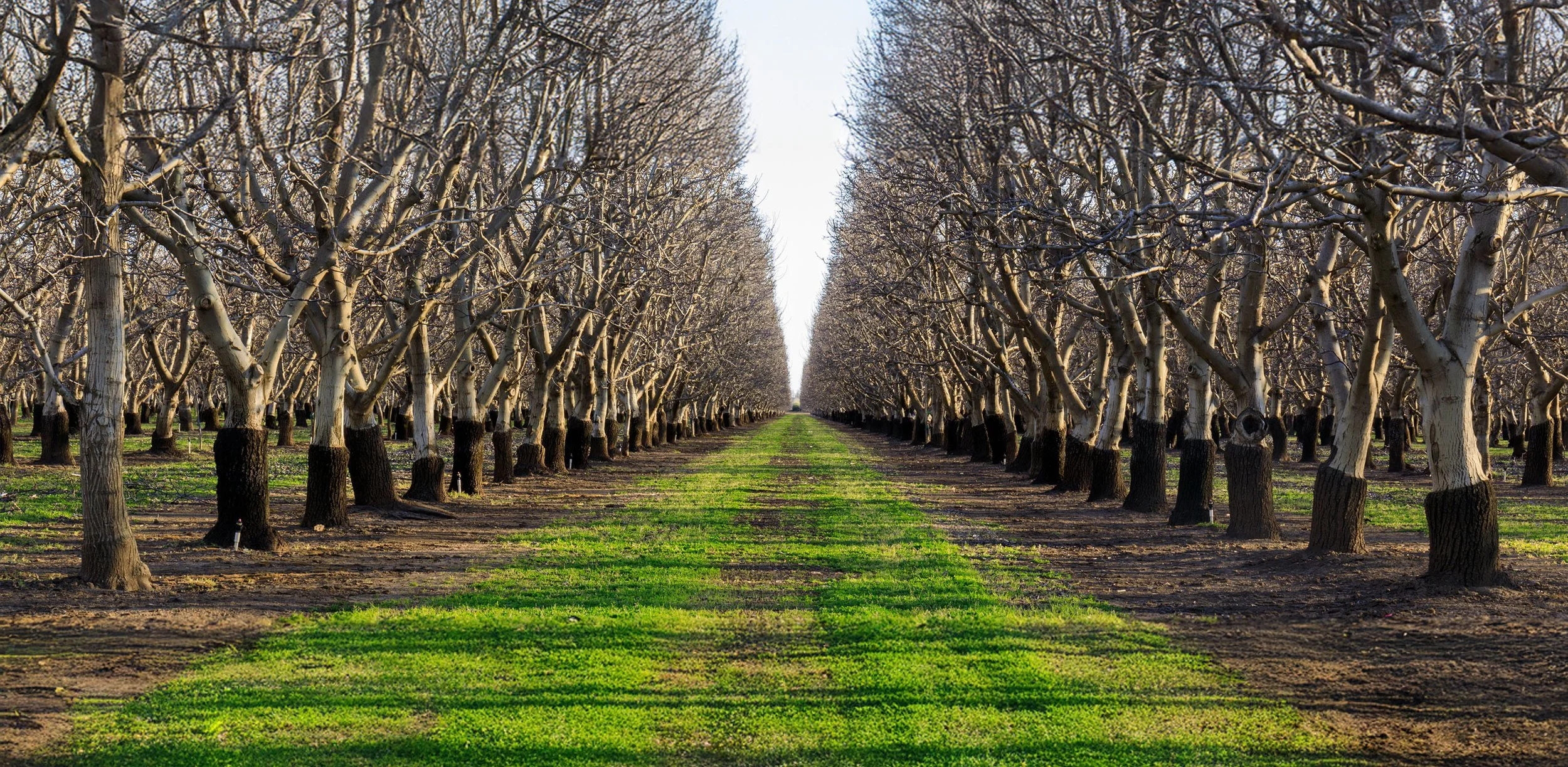
Most well-managed fruit trees are trained towards an open, bowl-shaped to allow light and air to move freely through the canopy. An open structure improves airflow, limits fungal problems and supports consistent fruiting.
This usually involves:
Removing inward-facing branches
Reducing crossing or congested growth
Prioritising strong, outward-growing limbs
Maintaining even spacing between main branches
There’s an old rule of thumb that, if you can throw a hat through the canopy, you’ve done a good job.
Fruit Trees in Confined Spaces
Not all gardens allow for free-standing trees. Where space is limited, fruit trees can be trained as espaliers along fences or walls. This method has long been used in English orchards and remains popular in modern gardens.
Espalier pruning involves training branches horizontally along wires or supports, which keeps growth flat and controlled. This allows fruit trees to thrive in narrow spaces but does require regular and careful pruning.
Traditional Practices: Lunar Pruning
Historically, some orchards followed lunar pruning cycles, working on the belief that moon phases influenced sap flow and regrowth. While modern research is mixed on the practical impact of lunar timing, one point remains clear: pruning during dormancy, when sap pressure is low, reduces stress on the tree.
Common Winter Pruning Mistakes to Avoid
Where Problems Commonly Arise:
Pruning during frost
Removing too much growth at once
Ignoring overall structure • Using blunt or unclean tools
Treating all fruit trees the same
It’s also worth noting that sealing cuts with wound paint is no longer widely recommended, as it can trap moisture and increase the risk of decay.
Final Thoughts
January and February offer the best opportunity to prune many fruit trees. Good winter pruning improves structure, reduces disease risk and supports reliable fruiting year after year – provided that the conditions are right and the work is done correctly.
Working with fruit trees across Essex and Suffolk, we understand how local conditions affect pruning and long-term health. If you’d like help or support this winter, we’re happy to offer advice or carry out professional pruning where needed.
Spread the Word! 🌎
Inspired by Blake Tree Care’s journey? Share this story with friends, family, or colleagues.